Resources Needed for Disaster Recovery
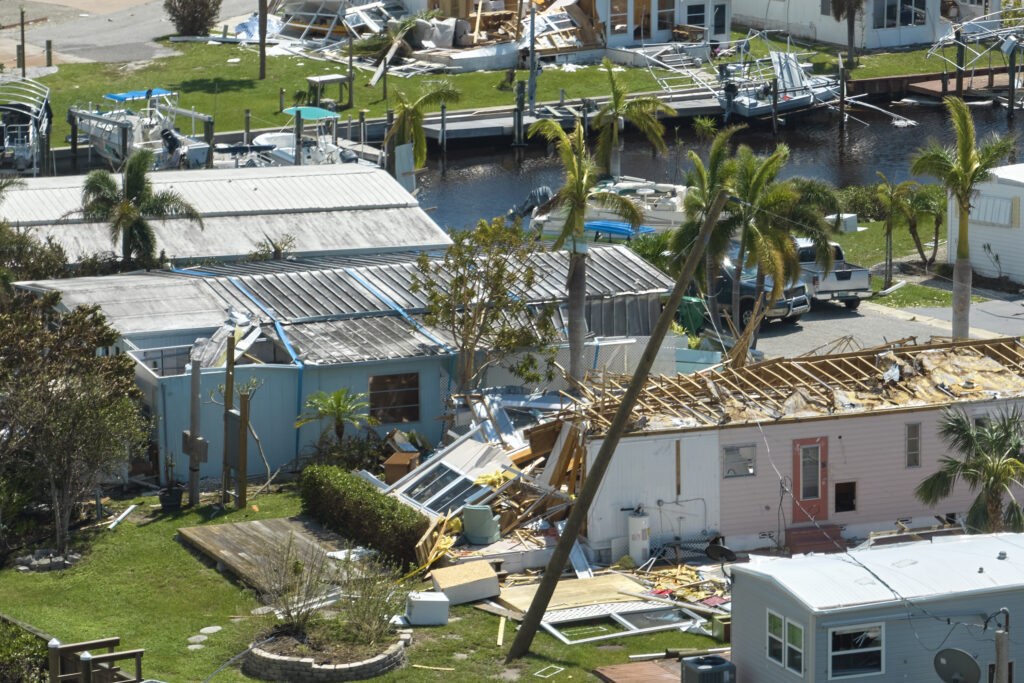
Resources are important for Disaster recovery. It is a critical process that ensures your business or home can bounce back from significant disruptions caused by natural disasters or other emergencies. Understanding the key resources needed for disaster recovery can help you prepare and respond more efficiently. Here’s a guide to the essential resources for a successful recovery.
1. Financial Resources
Importance: Financial resources are crucial for covering immediate expenses and long-term recovery efforts. They can help repair damage, replace lost inventory, and support ongoing operations.
Key Resources:
- Emergency Fund: Maintain a reserve of cash or liquid assets to cover initial recovery costs.
- Insurance: Ensure comprehensive insurance coverage, including property, business interruption, and liability insurance.
- Disaster Relief Funding: Explore grants, loans, and other forms of financial assistance from government agencies and non-profits. The Small Business Administration (SBA) and the Federal Emergency Management Agency (FEMA) are key sources of disaster funding.
2. Physical Resources
Importance: Physical resources are necessary for repairing damage, restoring operations, and ensuring safety.
Key Resources:
- Repair and Reconstruction Materials: Have access to building materials, tools, and equipment needed for repairs and reconstruction.
- Emergency Supplies: Stock up on essential supplies such as water, non-perishable food, medical supplies, and sanitation items.
- Backup Power: Invest in backup power solutions like generators to maintain operations and communications during power outages.
3. Human Resources
Importance: Skilled personnel and support teams play a vital role in managing recovery efforts and restoring normalcy.
Key Resources:
- Emergency Response Team: Form a team of trained professionals who can lead recovery efforts and manage the response.
- Contractors and Service Providers: Establish relationships with contractors, repair services, and other vendors who can assist with damage assessment and repairs.
- Counseling and Support Services: Provide access to mental health professionals and support services to help individuals cope with stress and trauma.
4. Information and Communication Resources
Importance: Effective communication and access to critical information are essential for coordinating recovery efforts and keeping stakeholders informed.
Key Resources:
- Communication Tools: Ensure you have reliable communication tools, including phones, radios, and internet access, to stay connected with employees, customers, and emergency services.
- Emergency Contact Lists: Maintain updated lists of key contacts, including staff, suppliers, and local authorities.
- Data Backup and Recovery: Implement robust data backup solutions to protect important business information and ensure you can recover lost data.
5. Operational Resources
Importance: Operational resources help you resume business activities and minimize disruptions.
Key Resources:
- Business Continuity Plan: Develop a comprehensive plan outlining how to maintain operations during and after a disaster, including alternative work arrangements and recovery procedures.
- Temporary Facilities: Identify potential locations for temporary operations if your primary facility is damaged or inaccessible.
- Inventory Management: Assess and replenish inventory as needed to ensure you can continue serving customers and meeting demand.
6. Legal and Regulatory Resources
Importance: Navigating legal and regulatory requirements is crucial for compliance and securing necessary approvals.
Key Resources:
- Legal Counsel: Seek advice from legal professionals to understand your rights, obligations, and options for filing insurance claims and securing funding.
- Regulatory Compliance: Stay informed about local, state, and federal regulations related to disaster recovery and ensure compliance with rebuilding codes and standards.
7. Community and External Resources
Importance: Leveraging community support and external resources can enhance your recovery efforts and provide additional assistance.
Key Resources:
- Community Organizations: Engage with local community organizations and non-profits that offer disaster recovery support, including volunteer services and resource distribution.
- Industry Associations: Connect with industry associations and networks for guidance, best practices, and potential recovery resources specific to your sector.
Final Thoughts
Effective disaster recovery requires a comprehensive approach that encompasses financial, physical, human, informational, operational, legal, and community resources. By identifying and securing these essential resources, you can enhance your preparedness and resilience, ensuring a smoother recovery process and a stronger rebound from adversity.
Has your business been impacted by a natural disaster or major business disturbance? Click the “Get Assistance” button to begin the process – we are here to help.