Disaster Recovery Assistance Efforts: Behind-the-Scenes Look
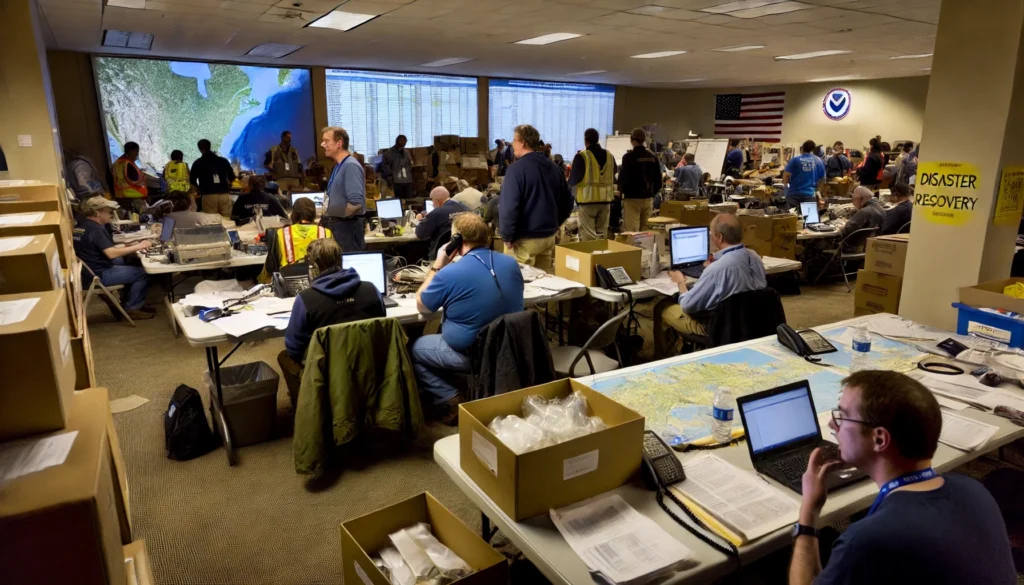
When a natural disaster strikes, the immediate images that flood the news are often those of devastation: homes destroyed, streets flooded, and lives turned upside down. What we don’t always see, though, is the massive and coordinated effort happening behind the scenes to help communities recover and rebuild. This is called Disaster Recovery Assistance Efforts.
From first responders saving lives to financial aid organizations offering critical funding, disaster recovery assistance is a complex, multi-layered operation. Here’s a closer look at what goes into these efforts and how they help individuals and businesses get back on their feet.
1. Early Response: Assessing the Damage
As soon as a disaster hits, one of the first tasks is damage assessment. Teams from local governments, federal agencies like FEMA, and non-profits rush to the scene to evaluate the situation.
Assessment Teams: On-the-ground professionals work to identify areas that need immediate assistance, estimating the damage to homes, businesses, and infrastructure.
Data Collection: This data informs not only how resources will be allocated but also what specific needs the community may have in the coming days and weeks. It’s vital to target aid where it’s needed most.
2. Immediate Relief: Safety and Stability
Once assessments are made, the focus shifts to stabilizing the affected community.
Search and Rescue Operations: Firefighters, police officers, and volunteer teams work around the clock to locate survivors and provide immediate medical assistance.
Shelters and Food: Organizations like the Red Cross set up emergency shelters and distribute food, clean water, and essential supplies to those displaced.
Restoring Utilities: Utility companies work urgently to restore power, water, and communication lines, which is critical for both emergency response and returning to normalcy.
These efforts are essential for providing immediate relief, ensuring that survivors have shelter and necessities while preventing further loss of life.
3. Financial Assistance: A Lifeline for Recovery
After the initial shock of the disaster, survivors face the daunting task of rebuilding their lives, homes, and businesses. This is where financial assistance becomes crucial.
FEMA Grants: The Federal Emergency Management Agency provides financial aid for temporary housing and essential home repairs.
SBA Disaster Loans: The U.S. Small Business Administration (SBA) offers low-interest disaster loans to businesses, homeowners, and renters to help them recover.
Private Grants and Donations: Non-profit organizations often step in with emergency funds for individuals and businesses in need of immediate cash flow.
For businesses, these financial aids can be the difference between permanently closing their doors and rebuilding for the future.
4. Long-Term Recovery: Rebuilding the Community
Once the immediate crisis has passed, the long-term recovery process begins.
Restoring Infrastructure: Roads, bridges, schools, and other public infrastructure need to be repaired or rebuilt. This can take months or even years, depending on the scale of the disaster.
Rebuilding Homes and Businesses: Many non-profit organizations, such as Habitat for Humanity, partner with volunteers to help rebuild homes for those without adequate insurance or resources.
Economic Recovery Programs: Local governments often introduce recovery loan programs and small business grants to help revitalize the local economy. Employment assistance programs may also be established to help those who lost jobs during the disaster.
5. Mental Health and Emotional Support
Disaster recovery isn’t just about physical rebuilding. Emotional and mental recovery are equally important.
Counseling and Support Groups: Many organizations offer counseling services for survivors dealing with trauma and loss. Community support groups help survivors share their experiences and find comfort in knowing they aren’t alone.
Ongoing Mental Health Services: In the months and years following a disaster, it’s not uncommon for people to experience PTSD, anxiety, and depression. Long-term mental health services are crucial for helping individuals fully recover.
6. Preparing for the Future
With every disaster, lessons are learned that inform future preparedness efforts.
Post-Disaster Evaluations: Government agencies and non-profits conduct thorough evaluations of the disaster response, identifying areas for improvement.
Community Education: Public awareness campaigns educate residents about how to better prepare for future disasters, from securing adequate insurance to developing emergency evacuation plans.
Improved Infrastructure: Governments often invest in strengthening infrastructure to minimize the damage from future disasters. This includes updating building codes and improving flood defenses.
The Human Element of Disaster Recovery
The discussion of disaster recovery can often lead to a focus on headlines and statistics, but at its core, these efforts are about people. Whether it’s first responders rescuing families from floodwaters or volunteers rebuilding homes years after the disaster, the behind-the-scenes efforts to restore communities are nothing short of remarkable.
Has your business been impacted by a natural disaster or major business disturbance? Click the “Get Assistance” button to begin the process—we are here to help.