Disaster Preaparedness: What’s your Biggest Concern?
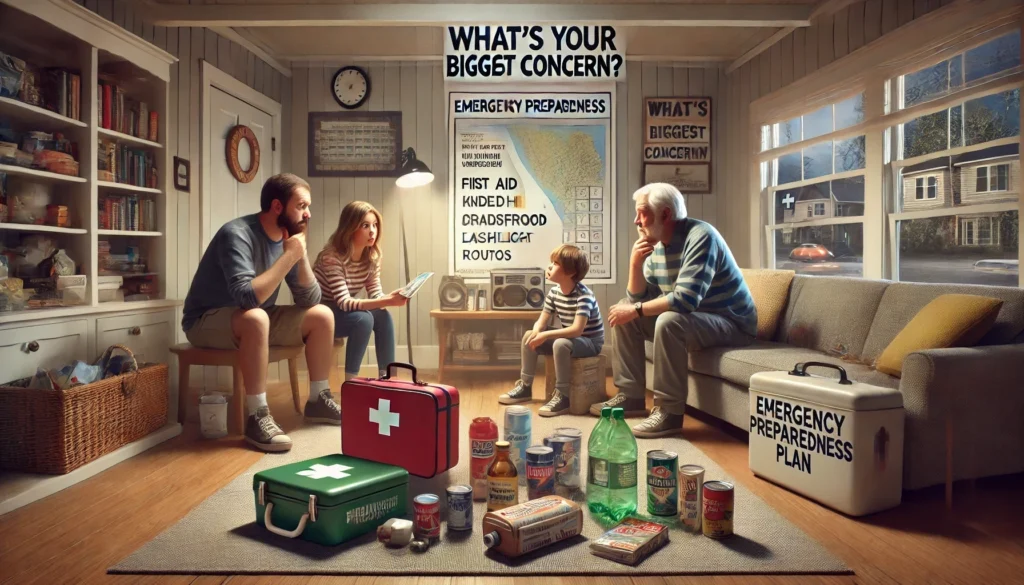
Disaster preparedness is a critical aspect of managing risk and ensuring safety, yet many individuals and businesses still face significant concerns about planning and preparedness. Understanding these concerns can help you address them effectively and improve disaster readiness. Here are some of the most common concerns about disaster preparedness and strategies to address them.
1. Lack of Resources
Concern: Many people worry about having the necessary resources to prepare adequately for a disaster. This includes concerns about finances, time, and physical supplies.
Solution:
- Budget Planning: Allocate a portion of your budget for disaster preparedness. Even small, incremental investments in supplies and planning can add up over time.
- Resource Lists: Create a checklist of essential items and prioritize acquiring them gradually.
- Community Resources: Tap into community resources and support networks that can provide assistance and share costs.
2. Inadequate Planning
Concern: Developing a comprehensive disaster plan can seem overwhelming, especially if you’re unsure where to start or what to include.
Solution:
- Step-by-Step Approach: Break down your planning into manageable steps. Start with basic items like emergency contact lists and gradually add more details such as evacuation plans and communication strategies.
- Templates and Guides: Use available templates and guides to help structure your plan. Many organizations offer free resources that can simplify the process.
- Regular Updates: Regularly review and update your plan to incorporate any changes in your circumstances or new information.
3. Uncertainty About Which Disasters to Prepare For
Concern: It can be challenging to know which types of disasters to prepare for, especially if you live in an area prone to multiple types of emergencies.
Solution:
- Local Risk Assessment: Research the types of disasters that are most common in your area. Local emergency management agencies can provide valuable information about the specific risks you face.
- Comprehensive Kits: Build a disaster preparedness kit that covers a range of scenarios, including natural disasters, fires, and other emergencies. This will ensure you are prepared for various situations.
4. Difficulty in Communicating During a Disaster
Concern: Effective communication can be difficult during a disaster, especially if traditional communication methods fail.
Solution:
- Alternative Communication Methods: Invest in alternative communication devices such as satellite phones or two-way radios.
- Emergency Contacts: Establish a family or business emergency contact list and ensure everyone knows how to use it.
- Communication Plan: Develop a communication plan that includes strategies for staying in touch and sharing information during and after a disaster.
5. Not Knowing How to Access Financial Assistance
Concern: Many people are unsure how to access financial assistance or disaster relief funding if needed.
Solution:
- Research Funding Sources: Familiarize yourself with available disaster relief programs and financial assistance options. This may include federal, state, and local resources.
- Documentation: Keep detailed records of your business’s financial status and any disaster-related losses to facilitate the application process for financial assistance.
- Seek Professional Help: Consider consulting with a financial advisor or disaster recovery specialist who can guide you through the process of obtaining funding.
6. Ensuring Business Continuity
Concern: For businesses, ensuring continuity and minimizing operational disruptions during a disaster is a significant concern.
Solution:
- Business Continuity Plan: Develop a business continuity plan that outlines how to maintain operations during a disaster. This should include backup systems, alternative work arrangements, and recovery procedures.
- Regular Drills: Conduct regular drills to test your continuity plan and make necessary adjustments based on feedback and performance.
7. Physical and Emotional Preparedness
Concern: Preparing physically for a disaster is only part of the equation; emotional and psychological readiness is also crucial.
Solution:
- Training and Education: Educate yourself and your team about disaster preparedness and response. Training can build confidence and reduce anxiety.
- Mental Health Resources: Provide access to mental health resources and support systems to help individuals cope with the stress and trauma of a disaster.
Final Thoughts
Disaster preparedness is a multifaceted issue that encompasses many concerns. By addressing these common concerns with practical solutions and proactive planning, you can enhance your readiness and resilience in emergencies.
Has your business been impacted by a natural disaster or major business disturbance? Click the “Get Assistance” button to begin the process – we are here to help.